The summer of 2026 is already one for the record books.
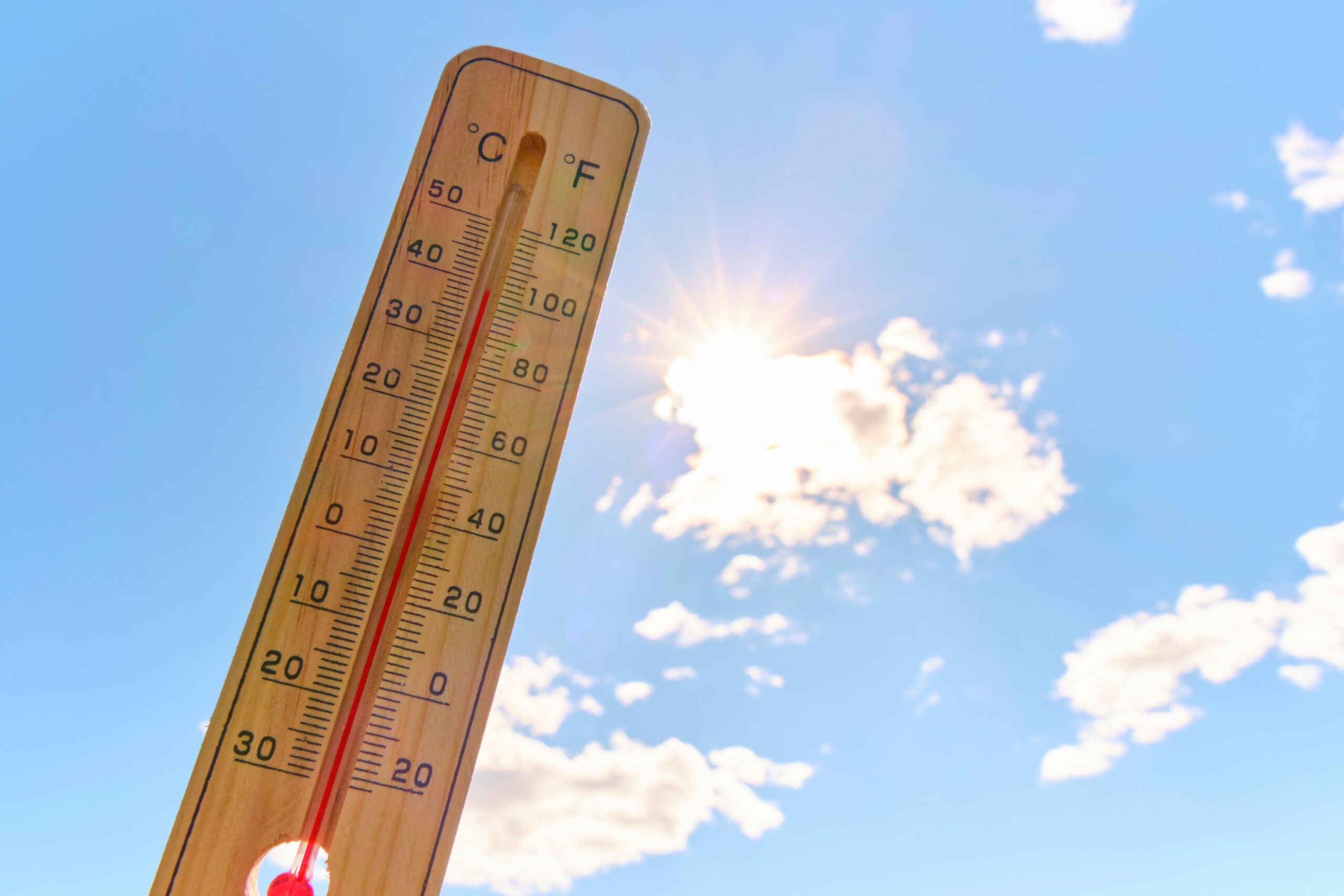
Across the UK and Europe, temperature records have been tumbling at an alarming rate. The Met Office reported provisional new June temperature records for both England and Wales, with England reaching 37.7°C and overnight temperatures remaining unusually high. Meanwhile, much of mainland Europe experienced temperatures exceeding 40°C as a powerful heat dome settled across the continent.
For healthcare professionals, extreme heat is far more than an inconvenience. It creates genuine challenges for patient care, staff wellbeing and infection prevention.
In a recent Guardian article, frontline NHS doctors described conditions that many would find hard to believe. One consultant reported that during the heatwave, “infection control becomes almost impossible”, while another described hospital wards reaching temperatures of 35–36°C, with staff and patients struggling to cope in buildings never designed for such extremes. The article also highlighted failures of cooling units, MRI scanners and other critical infrastructure as temperatures soared. [theguardian.com]
Unfortunately, this is unlikely to be a one-off event.
Heat isn’t just uncomfortable – it’s deadly
Extreme heat has become a major public health concern. According to the UK Health Security Agency, there were an estimated 1,504 heat-associated deaths in England during the summer of 2025, following 1,311 heat-associated deaths in 2024. Older people and infants are particularly vulnerable, but heat-related illness can affect anyone and places additional pressure on already stretched healthcare services. [gov.uk]
This year’s figures are still emerging, but the early signs are sobering. The World Health Organization reported that more than 1,300 excess deaths had already been recorded across Europe since 21 June 2026 during the recent heatwave, with approximately 1,000 excess deaths reported in France alone over just a few days of extreme temperatures. [phys.org], [euronews.com]
Heat rarely attracts the attention of more visible emergencies. Yet every heatwave brings increased risks of dehydration, heatstroke, cardiovascular complications, falls and worsening outcomes for vulnerable patients. For hospitals already dealing with soaring temperatures, overcrowding and infrastructure challenges, maintaining effective infection control becomes one more critical task that simply cannot be allowed to slip.
The question for hospitals is simple: when staff are busy keeping patients hydrated, comfortable and safe, how can infection control continue to function effectively?
Passive infection control doesn’t take a summer holiday
The good news is that passive infection control products don’t get tired, overheated or distracted.
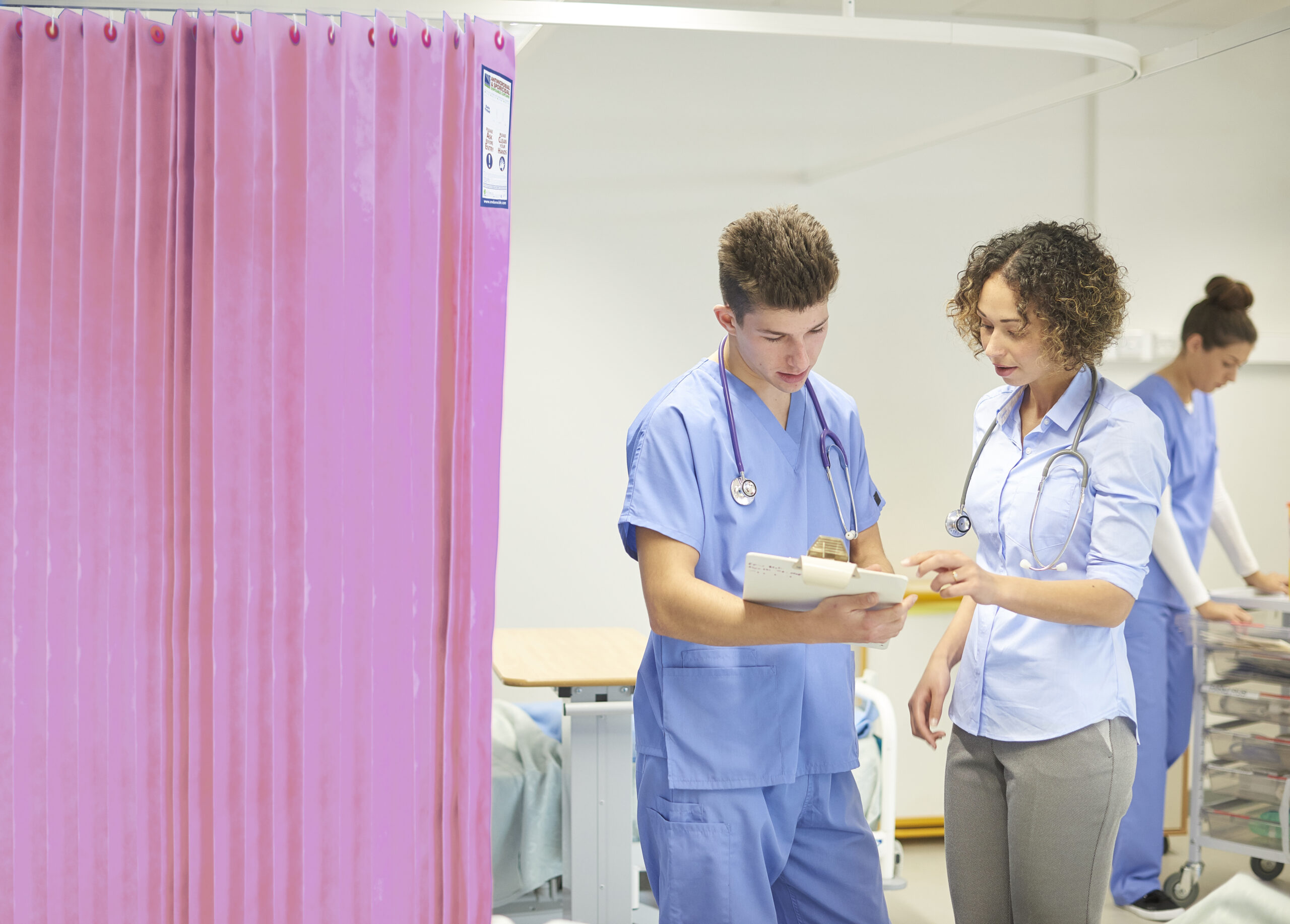
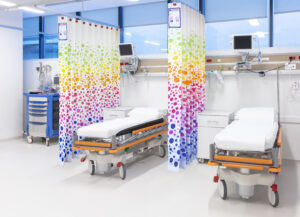
However hot it becomes outside, Endurocide® Antimicrobial Hospital Curtains continue working around the clock. They still provide patient privacy. They still help create a calmer environment. They still reduce glare and provide a little welcome shade. Most importantly, they continue helping to control the spread of pathogens at one of the most frequently touched surfaces in the healthcare environment.
That’s the beauty of passive infection control. Once in place, it’s quietly working in the background while healthcare teams focus on what matters most – caring for people.
As conditions become more challenging, having infection control measures that simply carry on doing their job becomes increasingly valuable. Independent studies have shown that Endurocide curtains remain active for up to two years, providing continuous protection long after they have been installed.
Fresh hands, not sticky hands
Anyone who has worked through a heatwave knows the feeling. Hot wards. Constant movement. Endless demands. And hands that seem to become damp and uncomfortable almost immediately.
That’s why hand hygiene products need to be practical as well as effective.
Enduro Hand Sanitiser helps staff, patients and visitors keep their hands fresh, protected and comfortable during even the hottest days. Its non-sticky formulation makes frequent use more pleasant, helping support hand hygiene compliance when it matters most.
Because when temperatures hit record levels, the last thing anyone needs is another source of irritation.

The future looks hot
Nobody knows exactly what future summers will bring. But if the summer of 2026 has taught us anything, it’s that extreme heat is becoming part of the healthcare landscape.
Hospitals will continue adapting. Buildings will evolve. Cooling systems will improve.
In the meantime, passive infection control remains one of the simplest ways to maintain consistent protection regardless of what the weather is doing outside.
Because while thermometers may continue breaking records, infection control shouldn’t have to break a sweat.
Don’t wait for the next heatwave
Extreme heat is no longer a rare event. It is becoming part of the reality of healthcare delivery across the UK and Europe.
While hospitals continue to invest in cooling, infrastructure and resilience planning, infection prevention remains a responsibility that cannot be put on hold when temperatures rise. The more pressure staff are under, the more valuable reliable passive infection control becomes.
If you’re reviewing your infection prevention strategy, now is a good time to ask:
- Are your current curtains actively helping reduce pathogen transmission, or simply providing privacy?
- Are your hand hygiene products comfortable enough to encourage frequent use during hot weather?
- Could residual antimicrobial surface protection help free up valuable staff time during periods of peak pressure?
Endurocide’s range of antimicrobial hospital curtains, hand hygiene products and surface disinfection solutions is designed to provide continuous protection whatever the weather.
Find out how Endurocide can help keep your workplace clean and healthy. Contact our team today for product information, to arrange a trial or a no-obligation discussion about passive infection control.
This article references reporting by The Guardian, including “Infection control becomes almost impossible: four doctors on the NHS heatwave crisis” (25 June 2026), which highlighted the significant challenges extreme heat is creating for hospitals and healthcare professionals across England. [theguardian.com], [theguardian.com]
Sources acknowledged: The Guardian, UK Health Security Agency, World Health Organization and the Met Office.